
Suivez-nous sur


montagnicimes
Une terre à vivre, à aimer et à protéger.
Instants mouvements : randonnez en toute saison !
Instants Nature : les plaisirs de l'été
on vous aiguille...
Retrouvez l'essence de la montagne
Les Aiguilles d’Arves sont toujours présentes en fond pour vous indiquer le chemin, en direction d’un havre sauvage et préservé. Ici sur le territoire de Montagnicimes, la diversité est de mise. Entre montagnes et vallées, il y en a pour tous et pour tous les goûts : nature, sports, enfants, détente, famille, patrimoine, gastronomie, sensations… Parcourez un territoire riche en activités de montagne les plus variées, haut en couleurs, généreux en saveurs et tellement authentique. Arpentez les plus grands cols mondialement réputés et explorez les villages authentiques plus jolis les uns que les autres.
albiez
La station de charme
Vous succomberez forcément au premier regard, tant le panorama offert sur les Aiguilles d'Arves est exceptionnel. Albiez est un écrin intimiste, à partager en famille ou entre proches.
albiez-le-jeune
À la découverte des artisans et producteurs
Après 52 lacets au coeur d'une forêt surgit le plateau d'Albiez-le-Jeune, bijou dans son écrin de verdure avec comme diamant les majestueuses Aiguilles d'Arves. Venez à la rencontre de ses habitants, des amoureux de leur village et des passionnés qui sauront vous partager avec enthousiasme leur savoir-faire artisanal, agricole et artistique.
jarrier
Village atypique des maisons à jambes
Jarrier, c’est avant tout un village typique de Maurienne. Vous serez surpris par la myriade de petits hameaux qui l’entoure : 27 hameaux organisés autour de fours, chapelles et oratoires !
les-bottieres
La porte d'entrée des Sybelles®
Le village des Bottières est un lieu vraiment singulier. Elle concentre tout ce que peut offrir un authentique village de montagne : le calme, les balades en raquettes ou les randonnées dans un environnement naturel.
le-grand-coin
L'espace nordique sauvage
Laissez-vous séduire par l'espace nordique du Grand Coin au col du Chaussy et son ambiance grand Nord entre sapins et plateau.
montvernier
Ses 18 lacets incontournables
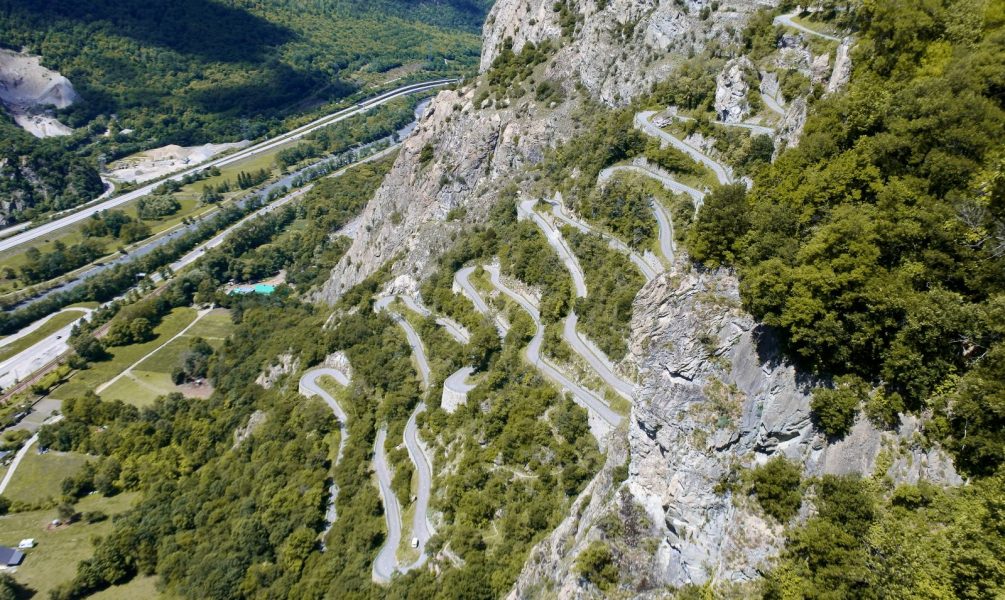
Le village a développé sa notoriété grâce aux petits lacets, empilés les uns sur les autres, accrochés à la montagne qui constituent une des routes les plus spectaculaire de Savoie.
st-jean-de-maurienne
La capitale historique de la vallée
Accédez à Saint-Jean-de-Maurienne et passez la porte d'entrée du territoire. Cité épiscopale depuis 15 siècles, la ville rayonne à travers ses trésors de culture et de patrimoine.
st-julien-montdenis
Au pied de la Croix des Têtes
Venez vous balader dans le petit village de Saint-Julien-Montdenis situé au pied de la plus haute falaise calcaire d’Europe, la Croix des Têtes qui se dresse à 2 492 mètres d’altitude !
st-pancrace
Partez à la rencontre du Grand Truc
Saint-Pancrace est un petit village sur les hauteurs immédiates de Saint-Jean-de-Maurienne, bénéficiant d'une belle vue dégagée sur la vallée. Découvrez l'histoire du village qui est marquée par l'exploitation du gypse.
la-tour-en-maurienne
Au plus près de la tour de Bérold
Le patrimoine, l'environnement d'exception, les loisirs variés (randonnées, ski nordique) et la proximité de grandes stations alpines font de la commune de La-Tour-en-Maurienne une étape appréciée des amoureux de la pleine nature.
villargondran
Au plus près du plan d'eau des Oudins
La situation de Villargondran, en fond de vallée, offre une vue exceptionnelle sur le massif des Encombres avec, au premier plan, la plus haute falaise calcaire d'Europe : La Croix des Têtes (2492m). En été vous pourrez profiter du plan d'eau des Oudins ouvert à la baignade et à la pêche.


Nos Incontournables
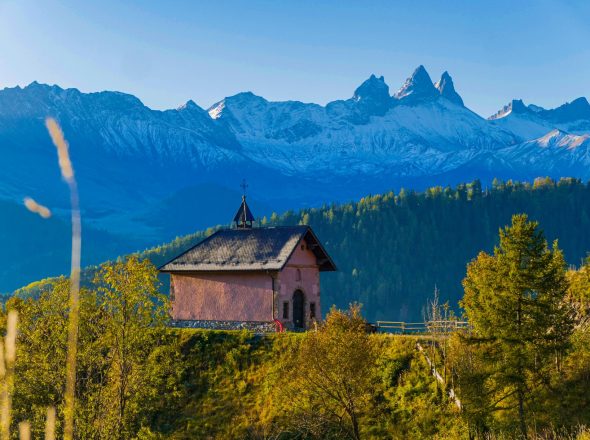
Aiguilles d’Arves
Observez autour de vous… Elles sont toujours là, visibles de nos stations et de nos villages : elles sont l’emblème de notre territoire ! Un véritable repère dans la vallée pour vous indiquer le chemin d’un havre de paix sauvage et préservé. En plein cœur du massif des Arves (à cheval sur les départements de la Savoie, […]
Nos Incontournables
Lacets de Montvernier
Cette route spectaculaire, à flanc de montagne, ne vous laissera pas indifférent. Les lacets de Montvernier sont un véritable défi pour les cyclistes et une merveille de notre territoire ! À votre arrivée dans la vallée, cette route spectaculaire composée de 18 lacets à flanc de montagne et ses virages étroits vous laisseront bouche bée ! […]

Nos Incontournables
L’Opinel
Vous le connaissez forcément de nom ou vous en possédez un chez vous. L’Opinel pour nous, c’est une tradition, un objet pratique à sortir en cas d’urgence, par exemple face à une meule de Beaufort ou un bon saucisson !

Nos Incontournables
Le Beaufort
Le Beaufort, un fromage savoureux connu pour ses nombreuses subtilités gustatives. Vous ne le connaissez pas encore ? Venez vite le déguster sur notre territoire. Le Beaufort, c’est quoi ? Elaboré en Savoie, le Beaufort est l’appellation d’origine d’un fromage à pâte pressée cuite, au lait cru et entier de vache. Vous le reconnaitrez grâce […]
en ce moment
Coups de cœur
Nos bons plans pour les vacances de printemps
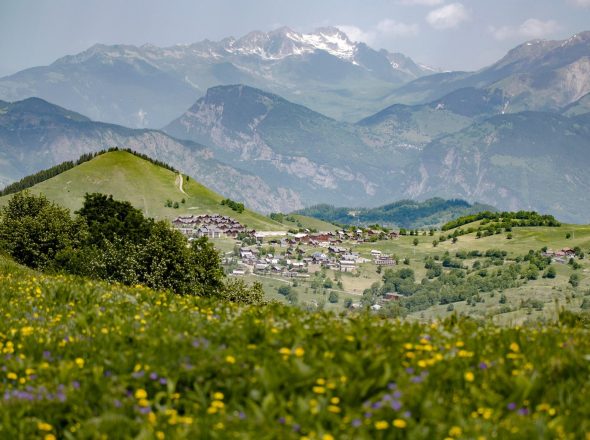
Le printemps, la saison du renouveau et de la nature qui s’éveille, laisse éclore de nouvelles aventures en Maurienne. La neige étant sur le départ, la nature reprend ses droits et nous offre des paysages colorés où il est bon de se promener. Pour les enfants à la recherche de défis, résolvez les énigmes des […]
Activités Coups de cœur
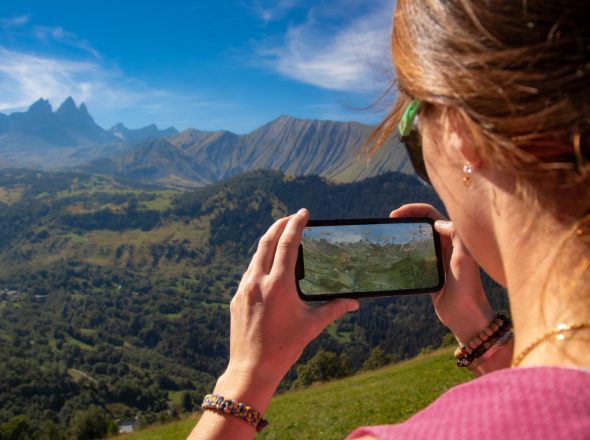
Application 3D « Pays des Aiguilles d’Arves »
Véritable compagnon, l’application vous orientera, grâce à la géolocalisation, lors de vos balades nature, activités outdoor, visites culturelles et découverte des points d’intérêts. Directement relié à notre site web, vous y trouverez aussi toutes les informations pratiques à la bonne organisation de votre séjour dans nos montagnes. Avant, pendant ou après votre expérience, Pays des […]


